
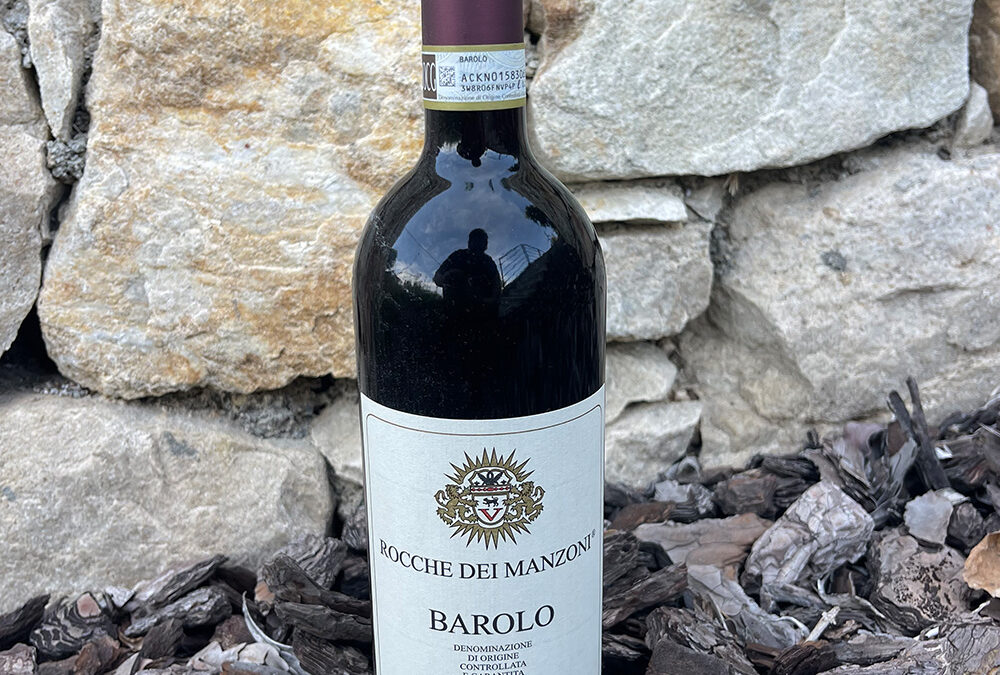
The five Bs of Italian wine: Barolo, Barbaresco, Brunello, Barbera, and Barrique.
From the vineyards of Piedmont to the hills of Tuscany. Five B’s, five stories, and plenty of Italian red wine.
In Italy, a good glass of wine is a part of life—whether it’s during a long lunch, with a plate of fresh pasta, or simply at the end of the afternoon, as the sun slowly sets over the Mediterranean Sea.
At Mangiare al Mare, our small restaurant near Balzi Rossi, we also love Italian wines with character. We serve wines from Liguria, Piedmont, and other Italian wine regions—ranging from a crisp Vermentino to a magnificent Barolo that has aged for years.
Four of the most famous Italian red wines begin with the letter B: Barolo, Barbaresco, Brunello, and Barbera. Each has its own grape variety, character, and history. And then there’s a fifth B: Barrique, a wine with a unique family story.
The great thing is that you can also order a variety of special Italian red wines by the glass here. Even a Brunello or a fine Barolo. That way, you can try something new without having to order a whole bottle right away. But what actually makes these wines so special?
1. Barolo – the king of Italian red wines.
It’s no coincidence that Barolo is called the king of Italian wines. It comes from the Langhe, a beautiful, hilly wine region in Piedmont, south of Turin.
Barolo is made here from the Nebbiolo grape—a grape with a thin skin, high tannin content, and crisp acidity. The name Nebbiolo is often associated with “nebbia,” the Italian word for fog. In the fall, a blanket of fog frequently hangs over the vineyards.
Barolo is a wine that requires patience. It must age for at least 38 months, including at least 18 months in oak. A young Barolo can be quite robust, but as the years go by, the tannins soften and the wine gains more and more depth.
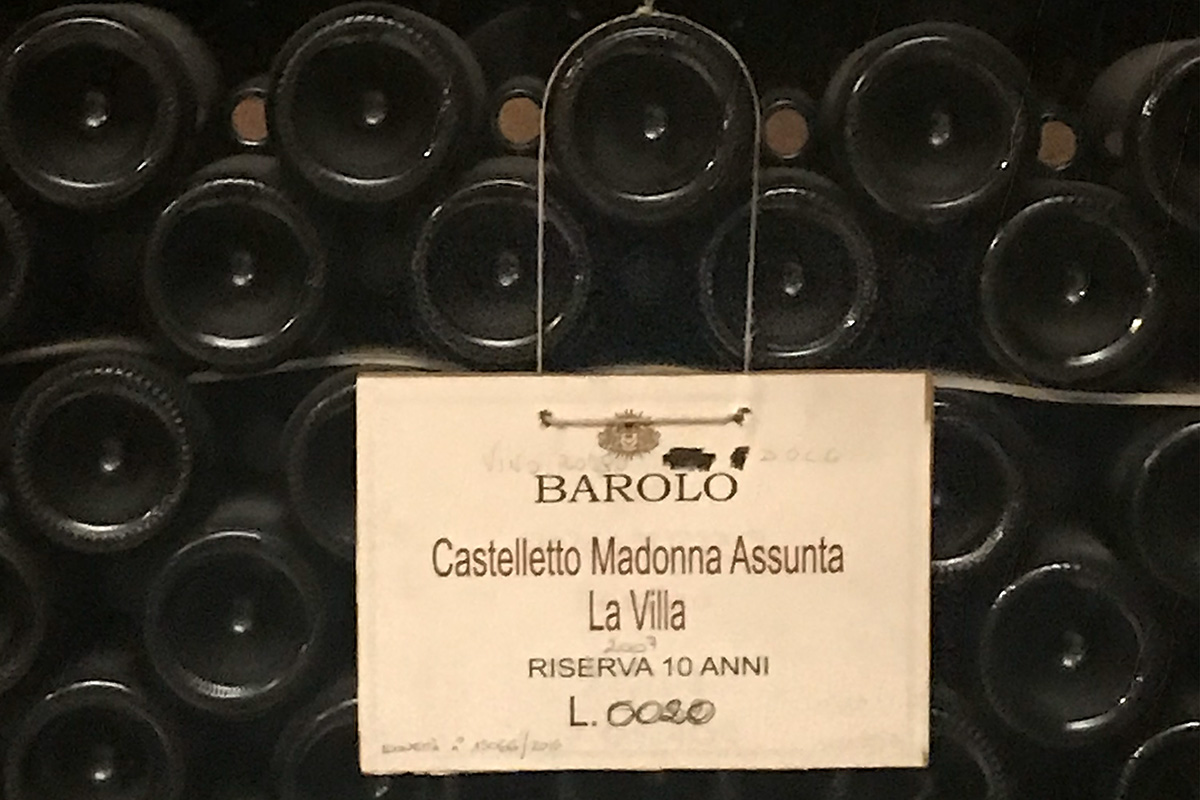
A wine cellar filled with music and art.
The Barolos we serve at Mangiare al Mare come from Rocche dei Manzoni, a unique winery in Monforte d’Alba. Here, it’s not just about grapes and wine barrels, but also about art and music. The wine cellar features an impressive dome adorned with frescoes by the artist Guy Rivoir. Amid the marble columns, the music of Italian composer Ezio Bosso—a close friend of the winemaking family—echoes through the space.
The Migliorini family has even experimented with the influence of music on the aging process of sparkling wine. It’s a unique project in which music and wine literally come together. We love the fact that so much care and history can be hidden behind a single bottle of wine.
And what’s great for our guests? We serve a variety of Barolos from Rocche dei Manzoni (click here for our wine list), including by the glass (starting at €18). From a Barolo Riserva to the impressive Big ‘d Big and Quaternas.
What flavors do you taste? Cherries, raspberries, roses, and herbs. Older Barolos develop aromas of leather, tobacco, truffles, and sometimes chocolate.
Pairs well with: slow-braised beef, game, tajarin with truffles, or aged Italian cheeses.
2. Barbaresco – Barolo’s elegant little sister.
A short distance from Barolo lies the Barbaresco wine region. Here, too, the wine is made exclusively from Nebbiolo, but the result is often surprisingly different.
While Barolo is known for its power and firm tannins, Barbaresco is generally a bit more elegant and accessible when young.
The vineyards are located around the villages of Barbaresco, Neive, and Treiso, near Alba. The soil, the location, and the climate give the grapes here their own distinct character.
Barbaresco also requires a slightly shorter aging period than Barolo: a minimum of 26 months, including at least 9 months in oak.
If you ever have the chance to taste Barolo and Barbaresco side by side, you should definitely do it. The same grape, virtually the same region, and yet two very different wines.
What flavors do you taste? Red cherries, raspberries, roses, violets, and spices. Over the years, aromas of truffle, leather, and dried flowers develop.
Pairs well with: mushroom risotto, veal, truffle pasta, or a nice Parmigiano Reggiano.
3. Brunello di Montalcino – the pride of Tuscany.
For Brunello, we travel from Piedmont to Tuscany, to the hills surrounding the medieval town of Montalcino, south of Siena. Brunello di Montalcino is made exclusively from Sangiovese, one of Italy’s most important red grape varieties. The climate here is warmer than in Piedmont. The grapes get plenty of sun, while the higher-altitude vineyards and cooler nights ensure a nice balance between ripe fruit and fresh acidity.
Brunello is a full-bodied red wine with firm tannins and plenty of character. This wine, too, needs time. It may not be released for sale until January 1 of the fifth year following the harvest and must age in oak for at least two years. A good Brunello can be cellared for decades. With age, it softens and develops wonderful aromas of spices, leather, and tobacco.
At Mangiare al Mare, we also serve Brunello by the glass (€15). It’s a great opportunity to discover this famous Tuscan wine.
What do you taste? Ripe cherries, plums, dried herbs, leather, tobacco, and sometimes a hint of balsamic vinegar.
Pairs well with: bistecca alla Fiorentina, pappardelle with wild boar ragout, roasted lamb, or aged Pecorino Toscano.
4. Barbera – the versatile wine from Piedmont.
Back to Piedmont, where Barbera is one of the most beloved grape varieties. Barbera is very different from Nebbiolo. The grape naturally has high levels of fresh acidity but relatively few tannins. As a result, the wine is often juicy, fruity, and delicious with food. Barbera d’Asti and Barbera d’Alba are particularly well-known varieties.
Young Barberas often have a lively character, with plenty of red fruit. Think of juicy cherries, plums, and a pleasant freshness. But there are also more full-bodied Barberas that are aged in oak barrels. This gives them more structure and sometimes brings out aromas of vanilla, cocoa, and spices. It is precisely this versatility that makes Barbera so interesting—ranging from a simple wine to pair with lunch to a lovely oak-aged red wine for a lavish dinner.
What flavors do you taste? Cherries, blackberries, plums, and violets. When aged in wood, these may be complemented by notes of vanilla, cocoa, and spices.
Pairs well with: pasta with tomato sauce, pizza, grilled meat, Italian cold cuts, or a rich ragù.
5. Barrique – a special red wine with a family story.
The fifth “B” is a bit of an oddball. Barrique isn’t a grape variety or a wine region, but rather the name for a small oak barrel in which wine can age. Yet here at Balzi Rossi, we have a wine named Barrique in our wine cellar. It comes from the Grosso winery in Montaldeo, a small village in Piedmont. And this wine has a story behind it that we’d love to share.
We buy this wine (along with the Gavi) from a 16-year-old boy who is studying at culinary school in Monaco. He also sells wines from his late grandfather’s winery. Isn’t it wonderful to see such a young man continuing his grandfather’s winemaking tradition while pursuing his culinary education? It’s precisely these kinds of stories that make Italian wines so special to us. Because behind a bottle of wine, there’s sometimes much more than just a grape variety, a vintage, and a pretty label.
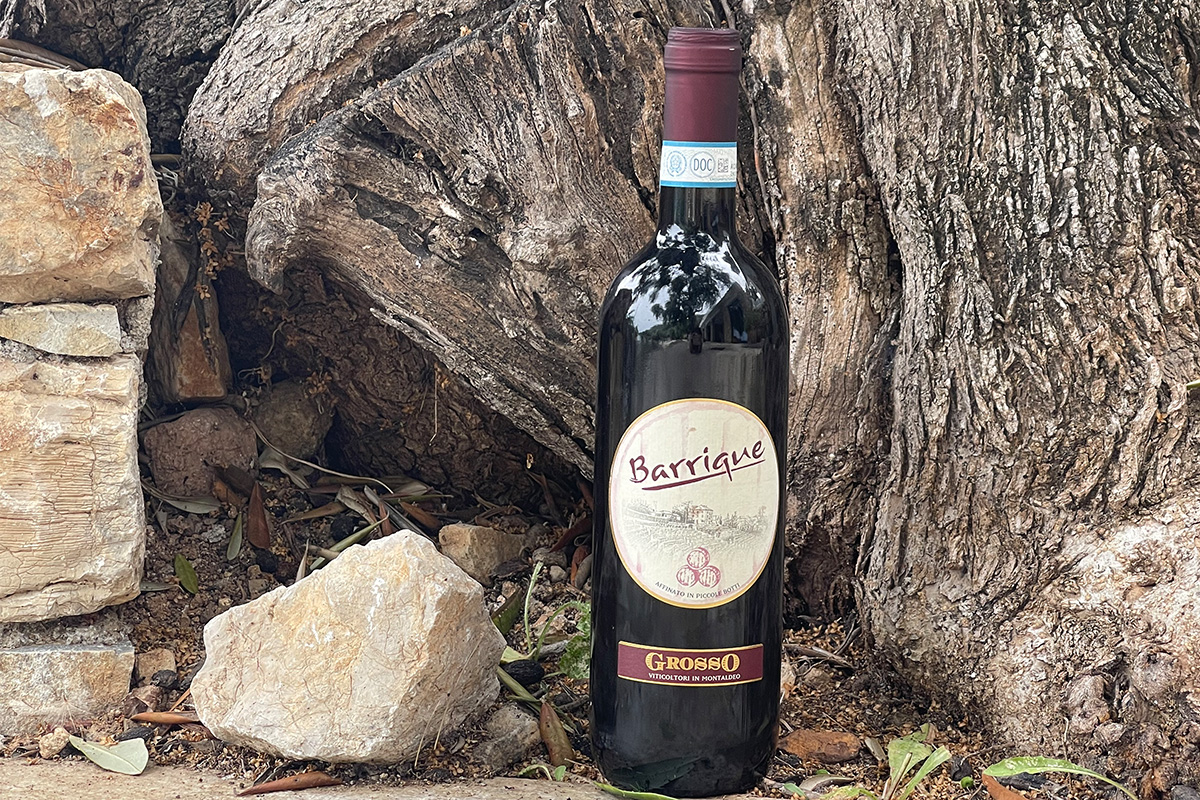
How does a barrique affect wine?
A traditional barrique is a 225-liter oak barrel. It originated in Bordeaux, but today many Italian winemakers also use these smaller barrels. During aging, the wine slowly comes into contact with small amounts of oxygen. This allows the wine to continue developing and the tannins to soften. The oak itself also imparts aromas, such as vanilla, toasted bread, coffee, and spices.
How much of that you taste depends on the type of wood, the age of the barrel, and the amount of time the wine spends in it. For example, a new oak barrel imparts far more woody aromas than one that has already been used several times. But more wood doesn’t automatically mean a better wine. The trick is to preserve the character of the grape and let the wood complement the wine.
What flavors can you taste in oak-aged red wine? Depending on the grape variety and the aging process, you may detect notes of dark fruit, vanilla, spices, cocoa, and toasted flavors.
Pairs well with: a hearty pasta dish with ragù, mushroom risotto, grilled beef, or aged Italian cheeses.
Exceptional Italian red wines, served by the glass.
Ordering a nice bottle of wine is a real treat when you’re enjoying a lavish meal with a group of friends. But what if you just want to try a special Barolo? Or are curious about the taste of Brunello without ordering a whole bottle right away? At Mangiare al Mare, we believe that special wines aren’t just for special occasions.
That’s why we also serve a variety of exceptional Italian red wines by the glass. Our wine list features, among others, Brunello and several Barolos from Rocche dei Manzoni. This way, you can discover new wines, compare different flavors, or choose a wine that pairs well with each dish. We also keep a number of special bottles in our wine cabinet, including the Barrique from the Grosso winery in Piedmont. Each of these wines has its own character and often a fascinating story behind it. Feel free to ask which special wines we currently have in stock.
Not sure which wine to choose? On our menu, you’ll find a wine recommendation to pair with every dish. And of course, you can also ask our chef, Endrii, which wine he would serve with it. He’ll be happy to help you choose.
Our restaurant is located in Balzi Rossi, near the French border, at a unique archaeological site on the Ligurian coast. With a view of the Mediterranean Sea, you can sit down here for an Italian lunch, an aperitivo, or a good glass of wine.
Because, ultimately, Italian red wine isn’t just about grapes, tannins, and aging times. It’s also about the people who make the wine, the stories behind the bottle, and the moments when you enjoy it!


